Home Wiring Safety Checklist – What to Watch for in Older Valley Homes
Use this safety checklist to spot common wiring issues before they become hazards.
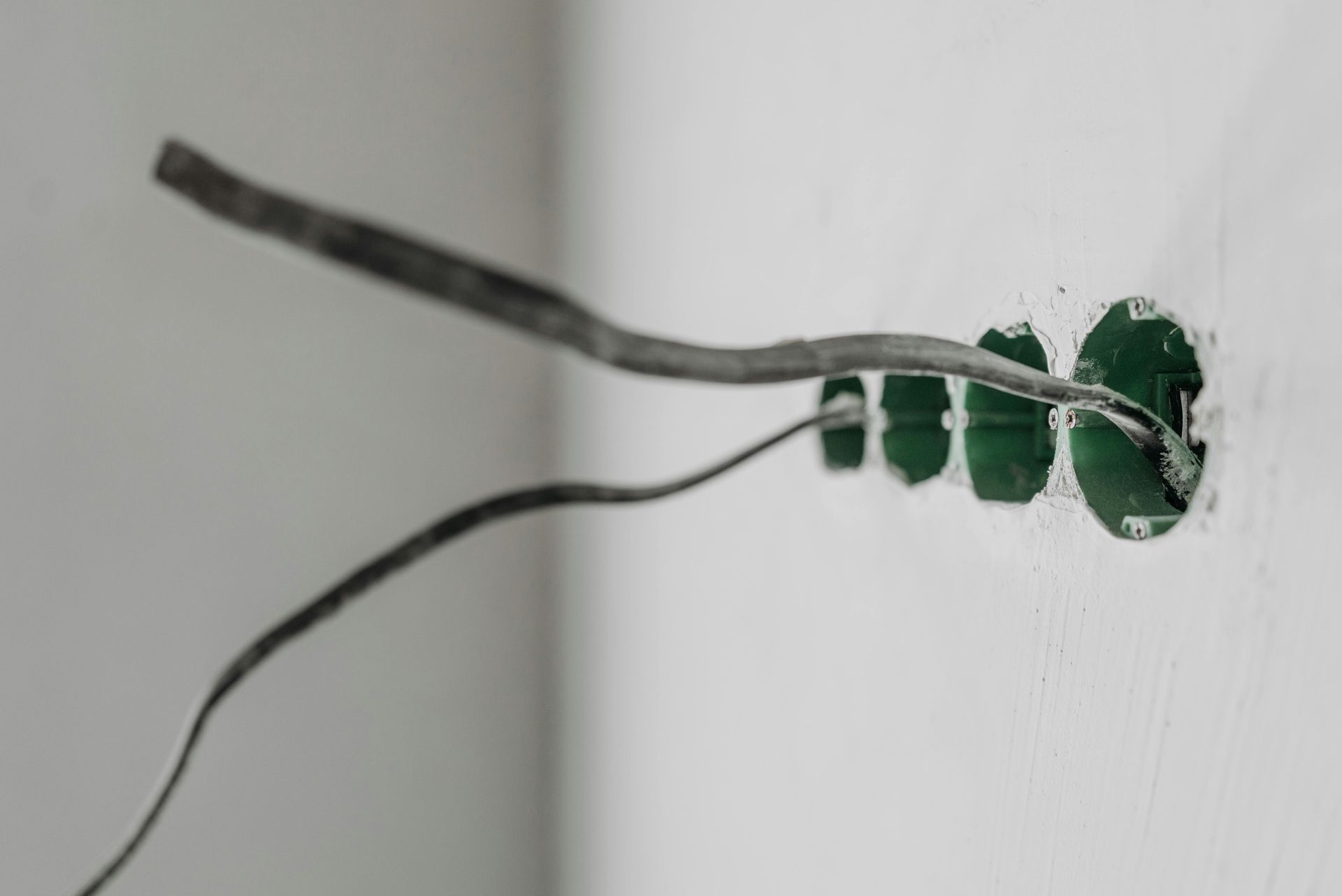
Many homes in North Bend, Snoqualmie, and the surrounding Valley were built decades ago—and while their charm remains, their electrical systems often need attention. Outdated wiring, overloaded circuits, and DIY "fixes" can quietly create serious risks behind your walls.
Bob’s Electrical has inspected and upgraded wiring in Valley homes for over 35 years. This home wiring safety checklist outlines what to look for, what to fix, and when to call a professional.
Why Wiring Problems Are So Common in Older Homes
Homes built before the 1980s often used wiring materials and layouts that are no longer considered safe—or compliant with modern electrical code. Combine that with today’s high-power appliances, EV chargers, and technology use, and it’s no surprise that older systems struggle to keep up.
Common contributors to wiring issues:
- Aluminum branch wiring (used in the 1960s–70s)
- Knob-and-tube wiring (pre-1950s)
- Ungrounded outlets
- Undersized or overloaded panels
- Lack of GFCI and AFCI protection
- DIY modifications or outdated repairs
Your Home Wiring Safety Checklist
Use this checklist to evaluate whether your home might need a wiring inspection or upgrade.
1. Do Your Lights Flicker or Dim?
Lights that flicker, especially when appliances kick on, can indicate overloaded circuits, loose wiring, or failing connections behind the walls.
2. Are Your Outlets Warm or Discolored?
Warm outlets, or those with yellowing or brown marks, may be overheating due to loose connections or undersized wiring.
3. Do You Smell Burning or Plastic Odors?
Unexplained burning smells—especially near outlets, panels, or cords—are a sign of melting insulation or electrical arcing. This is a serious fire risk.
4. Are Your Breakers Tripping Frequently?
Repeated breaker trips often mean you’re drawing more current than the circuit is designed for—or that there’s a fault in the wiring.
5. Is Your Home Missing Grounded Outlets?
Two-prong outlets offer no grounding, increasing shock risk. Older homes without grounding should be updated for safety and code compliance.
6. Do You Rely on Extension Cords or Power Strips?
If you’re constantly using extension cords to power permanent fixtures, your system may lack the necessary circuits. Over-reliance on cords can cause heat buildup and overloading.
7. Does Your Home Have GFCI Protection?
Ground Fault Circuit Interrupters (GFCIs) are required in kitchens, bathrooms, garages, and outdoor areas. If your home lacks them, it may be vulnerable to shock risks in wet areas.
8. Has Your Wiring Ever Been Inspected?
If your home is over 30 years old and has never had a full electrical inspection, there could be hidden risks waiting to surface.
Specific Risks to Watch for in Valley Homes
Aluminum Wiring
Homes built in the 60s and 70s may use aluminum wiring for branches. While not illegal, aluminum expands and contracts more than copper—leading to loose connections, heat buildup, and potential fire hazards.
Bob’s Electrical provides safe treatment options for aluminum systems, including proper connector replacement and rewiring if needed.
Knob-and-Tube Wiring
If your home was built before 1950 and has not been rewired, it may still have knob-and-tube wiring. This system is outdated, lacks grounding, and often becomes brittle over time. It cannot safely support today’s appliances or energy loads.
Federal Pacific or Zinsco Panels
These older panels, common in homes built through the 1980s, are known for
breaker failure—meaning they may not trip when needed. If your home still uses one, it should be replaced immediately.
[Learn more about panel upgrades –
https://www.bobselectricalwa.com/panel-upgrades]
What to Expect During a Wiring Inspection
When you schedule a wiring inspection with Bob’s Electrical, you’ll receive:
- A full review of visible wiring in attics, crawlspaces, and service panels
- Testing of outlets and switches for proper polarity, grounding, and voltage
- Evaluation of circuit load and breaker performance
- Identification of overheating risks or aging insulation
- Code compliance check for GFCI/AFCI protection
- Recommendations for repair, rewiring, or system updates
If issues are found, Bob will explain each one clearly and provide realistic, no-pressure options for resolving them.
Warning Signs That Require Immediate Action
Call an electrician right away if you notice:
- Sparks from outlets or switches
- Buzzing or sizzling sounds from the panel
- Frequent breaker trips without new appliances
- Shocks when touching appliances or switches
- Burning smells near walls, floors, or light fixtures
- Loose, cracked, or visibly damaged wiring
These signs often indicate a fire hazard or shock risk. Do not ignore them.
Upgrading vs. Repairing Your Wiring
Some homes only need minor upgrades—like replacing outlets, adding GFCI protection, or correcting a few loose connections. Others require full or partial rewiring to bring the system up to modern safety and capacity standards.
Bob offers:
- Whole-home rewiring for homes with knob-and-tube or damaged aluminum systems
- Targeted rewiring of specific circuits (kitchens, basements, additions)
- Dedicated circuit installation for high-draw appliances like dryers, hot tubs, and EV chargers
- Code updates for insurance or home sale requirements
Every project is tailored to your home’s age, layout, and future power needs.
How to Future-Proof Your Electrical System
If your home wiring is already under strain, consider planning for:
- Additional circuits for new appliances or upgrades
- Conduit runs for future EV charging stations
- Subpanels for garages, ADUs, or remodeled basements
- Smart home device compatibility (dimmers, sensors, etc.)
- Whole-home surge protection
Bob’s Electrical helps clients
think ahead, so they don’t pay twice when new needs arise.
Frequently Asked Questions – Home Wiring Safety
Is old wiring automatically unsafe?
Not always, but older systems often lack grounding or capacity for today’s usage. A professional inspection is the best way to assess condition and risk.
Can I add GFCIs myself?
Only if you're experienced with electrical work. Incorrect GFCI installation can result in shock risks. Bob ensures they’re wired correctly and tested.
Is aluminum wiring illegal?
No, but it’s considered hazardous if not maintained or modified properly. Bob offers safe mitigation solutions.
How long does rewiring take?
Most whole-home rewiring projects take 3–7 days, depending on home size and complexity. Bob will provide a detailed scope before work begins.
Why North Bend Homeowners Trust Bob’s Electrical
- Over 45 Years of Experience – Familiar with all types of Valley home wiring
- Direct Communication – Bob handles every inspection personally
- No Pressure Estimates – Just facts, clear options, and honest guidance
- Licensed & Insured – All work complies with NEC and local code
- Emergency Availability – Fast response if unsafe wiring needs urgent repair
From small cabins to growing family homes, Bob has helped generations of local homeowners stay safe, powered, and compliant.
Schedule a Wiring Safety Inspection Today
If you’re unsure about your home’s wiring—or want peace of mind that everything is working as it should—call Bob’s Electrical today. We’ll provide a full review, explain any concerns, and help you make informed decisions about your system.
Call:
(425) 985-7923
Email:
rockostick@yahoo.com
Serving: North Bend, Snoqualmie, Fall City, and the entire Valley region